_result.jpg)
_result.jpg)



Access problems on narrow Hampton Hill streets removals solutions
Posted on 10/06/2026
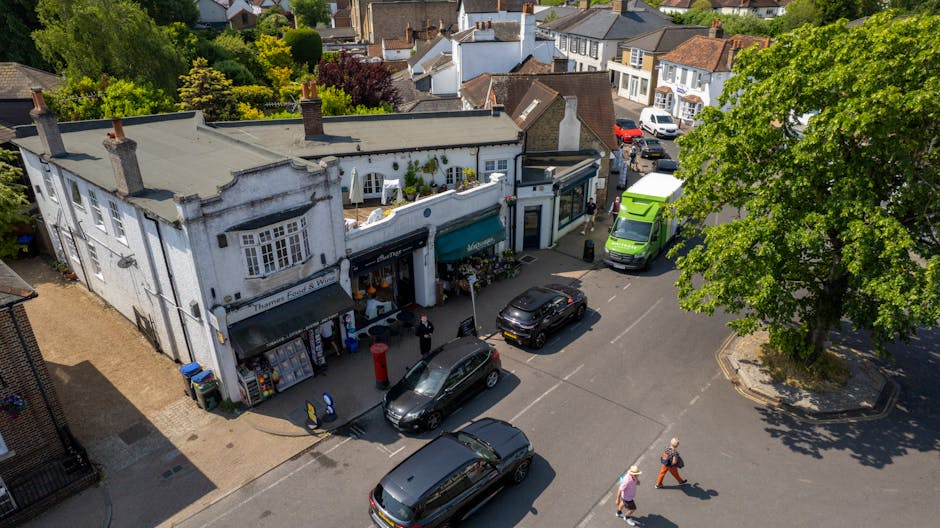
If you have ever stared at a parked car wedged into a tight lane and thought, "How on earth is a removal van meant to fit here?", you already understand the challenge. Access problems on narrow Hampton Hill streets removals solutions are not just about squeezing a van into a small space; they are about planning a move so the building, the belongings, the neighbours, and the team all stay safe and sane. In Hampton Hill, where many residential roads are compact, lined with cars, or awkwardly angled around corners, a standard removal day can become a careful logistics exercise.
The good news? Narrow-street removals are absolutely manageable with the right approach. You do not need luck, and you certainly do not need chaos. You need realistic planning, the right vehicle size, sensible packing, and a method that fits the street rather than fighting it. In this guide, we will walk through what causes access issues, how professionals work around them, what to do before moving day, and how to avoid the little mistakes that turn a tight move into a stressful one.
Why access problems on narrow Hampton Hill streets removals solutions matter
Access issues change almost every part of a move. A narrow road can slow loading, limit parking, make it harder to use large vans, and increase the chance of damage to furniture or nearby property. On a good day, that means delays. On a bad day, it means double handling, unhappy neighbours, and a lot of unnecessary lifting. Let's face it, moving is tiring enough without having to wrestle a sofa around a bend twice because the vehicle could not get close enough.
In Hampton Hill, the challenge is often not one single obstacle. It is the combination: parked cars, tight junctions, awkward turning space, low kerbs, shared driveways, and entrance steps that seem to appear just when you have a wardrobe in your hands. One small access problem can ripple through the whole move. That is why the best removals solutions focus on the route, the load, the timing, and the unloading distance, not just the final destination.
For homeowners, renters, students, and small businesses, the practical impact is real. A short move across town can become more expensive if the crew spends extra time carrying items from a van parked further away. If a large item cannot turn a corner, it may need special handling or dismantling. And if the access plan is poor, stress climbs fast. That is usually the point where people realise preparation matters more than brute strength.
If you are still early in your move planning, it helps to read a few related guides as well. For example, decluttering before the move can reduce the volume you need to carry, and that can make a narrow-street job far easier. A useful place to start is top methods to declutter your home before a move, especially if you are trying to keep the load manageable. Likewise, if you want the move itself to feel calmer and better organised, smart tips for stressless home moves is a solid companion piece.
How access problems on narrow Hampton Hill streets removals solutions work
The best solution is usually not one big fix. It is a sequence of smaller decisions that fit together neatly. First comes access assessment. Then route planning. Then vehicle choice. Then packing and carry strategy. Finally, on the day itself, the team adapts to what the street actually looks like at that moment. Because, to be fair, a road that looks fine at 8 a.m. can be very different by lunchtime when every spare bay has vanished.
A practical removals plan for a narrow street usually starts with a simple question: how close can the vehicle get to the property without causing obstruction or risk? That answer influences everything else. If the van can stop directly outside, loading is quicker. If not, the crew may need a shuttle system, where smaller loads are moved from the property to the van in stages. If access is tight on both ends, items may need to be broken down, wrapped differently, or prioritised in a more deliberate order.
In many cases, the solution is a smaller, more manoeuvrable vehicle rather than forcing a large one into a space that was never designed for it. That is where a flexible man and van Hampton Hill setup can be useful, particularly for lighter or medium-sized moves. For more complex moves, a full-service team may be better suited because they can manage lifting, protection, and timing in one coordinated process. If you want an overview of the wider approach, the services overview gives a helpful sense of how different moving needs are handled.
There is also a timing element. Early morning collection can sometimes be easier than late morning if parking is tighter later in the day. Similarly, one-way streets, school runs, and local traffic build-up can affect access more than people expect. A move that seems straightforward on paper can be awkward in practice if the van arrives at the wrong time. That is why careful scheduling matters almost as much as physical handling.
Key benefits and practical advantages
A good access plan does more than prevent problems. It improves the whole move. The obvious benefit is reduced delay, but the less obvious advantages are just as valuable. Less walking distance means less fatigue. Less lifting means fewer strained backs and fewer knocks to furniture. Better positioning means the crew can work in a cleaner, safer rhythm. And that rhythm matters, especially when stairs, tight hallways, or limited kerb space are involved.
There is also a customer-side benefit that people sometimes overlook: clearer expectations. If you know in advance that the van may need to park around the corner, you can pack accordingly. If you know a sofa may need to be taken apart, you can prepare the tools and the time. If you know a fridge, mattress, or piano needs special handling, you can tell the moving team before the job starts rather than while everyone is standing in the hallway trying to decide what to do next.
Another major advantage is damage reduction. Narrow streets often force awkward turns, tight doorway angles, and repeated handling. That is where corners get scuffed and fragile items become vulnerable. Good removal solutions use padding, straps, protective covers, and sensible load order so items travel securely even when the route is less than ideal. If you have bulky furniture to move, the dedicated furniture removals Hampton Hill service can be especially relevant.
For larger homes or more awkward properties, access planning also supports a calmer neighbour relationship. Nobody enjoys blocking a driveway, grazing a wall, or leaving a van half-on and half-off the road. A well-run move feels considerate. That goes a long way in a tight residential street where everyone notices everything, and frankly, they often do.
| Approach | Best for | Main advantage | Potential drawback |
|---|---|---|---|
| Large van at the door | Wider roads with clear parking | Fast loading and unloading | Often impossible on narrow streets |
| Smaller van or man and van | Tight roads, light to medium loads | Better manoeuvrability | May require more trips for larger moves |
| Shuttle loading | Properties with limited front access | Works where vehicles cannot stop close by | More time and more carrying distance |
| Partial dismantling | Sofas, beds, wardrobes, desks | Improves fit through tight routes | Needs preparation and tools |
Who this is for and when it makes sense
This kind of planning makes sense for almost anyone moving in or out of a narrow Hampton Hill street, but it is especially useful if your property is on a road with limited passing space, resident permits, parked cars on both sides, or awkward corners. If you live in a flat above a parade of shops, a terraced house with no driveway, or a converted property with a steep front path, you will probably recognise the problem immediately.
Students often underestimate it. They think, "It is only a few boxes and a desk." Then the van arrives and the loading bay is full, or the stairwell is tighter than expected, and suddenly the move is taking twice as long as planned. Student moves can benefit from a smaller vehicle and a simpler, more direct loading sequence. If that sounds familiar, the student removals Hampton Hill page may be a useful reference point.
Flat moves are another common case. Flats often combine limited street access with upper-floor carrying, which is a bit of a double act nobody asked for. In those situations, a carefully managed flat removals Hampton Hill plan can save a surprising amount of time and effort. House moves, by contrast, may involve more furniture and more boxes, so the street challenge becomes only one part of a much larger logistics puzzle. For that broader job, house removals Hampton Hill gives a better fit.
It also makes sense for people on a schedule. If you have to vacate quickly, if the keys are delayed, or if a parking option falls through at the last minute, access planning becomes even more important. In those cases, a short-notice option such as same day removals Hampton Hill can be worth considering. Not every move needs it, of course. But when timing is tight, it can be a lifesaver.
Step-by-step guidance
- Survey the street in advance. Walk the route from the van stopping point to the property entrance. Look for parked cars, low branches, bollards, gates, tight corners, and any bottlenecks that could slow carrying.
- Measure the awkward pieces. Sofas, wardrobes, mattresses, fridges, and tables often fail at the doorway or stair turn, not in the van. Measure height, width, and turning clearance if you are unsure.
- Choose the right vehicle size. Bigger is not always better. On a narrow street, a more compact vehicle can save time because it can position closer and turn more easily.
- Decide what should be dismantled. Beds, some tables, shelving, and modular furniture often move better in parts. If you need help with beds and mattresses, the guide on moving your bed and mattress with ease and efficiency is worth a look.
- Pack with access in mind. Put essential items in clearly labelled boxes and keep the items needed first near the door. If you are still sorting packing supplies, packing and boxes Hampton Hill can help you think through the practical side.
- Protect high-risk items. Mirrors, glass shelves, TVs, and polished furniture should be wrapped carefully. For awkward furniture or older upholstery, a little extra care pays off. The article on ensuring sofa resilience for long-term storage also offers useful ideas about protecting delicate household pieces.
- Plan the loading order. Put heavy, stable items in first and fragile items in last where they can be secured properly. This reduces reshuffling and keeps the van balanced.
- Keep communication open on the day. If the street is blocked by a delivery van or a neighbour has parked in the planned spot, adjust quickly. Good moving teams do not panic; they adapt.
It sounds simple written down, but each step prevents a different sort of headache. That is the point. A narrow street move is won before the first box leaves the hallway.
Expert tips for better results
One of the most practical things you can do is reduce the total volume you are moving. If you carry fewer items, access becomes easier by default. Fewer trips, fewer boxes, fewer "where does this go?" moments. It is boring advice, maybe, but it works. For a sensible approach to cutting clutter, the decluttering guide before a move is a genuinely useful read.
Another smart move is to separate items into three groups before moving day: must go first, can wait, and should be transported separately. This is especially handy if the van cannot park directly outside the property. The crew can start with the priority loads while you keep the remaining items safe indoors. It sounds small. It isn't. It makes the day feel much smoother.
If a property has especially awkward access, talk through the heaviest pieces in advance. This is where specialist handling knowledge matters. A piano, for example, should never be treated like a regular piece of furniture. If that is part of your move, the advice in piano moving when to call in professional reinforcements is worth reading carefully. Truth be told, it is one of those jobs where caution is far more impressive than bravado.
Finally, keep weather and timing in mind. A wet pavement, a dark evening unload, or a hot afternoon with long carry distances can all change the experience. Even a perfectly planned move feels different when you are walking back and forth with boxes in light rain. Not dramatic, just real. And that realness is exactly why a bit of flexibility goes a long way.

Common mistakes to avoid
The biggest mistake is assuming the street will "probably be fine" on the day. That is a gamble. Road access, parking pressure, neighbour vehicles, and delivery patterns can all shift at the last minute. If you have not checked the route and the stopping point, you are already behind.
A second mistake is choosing a van that is too large. People often think one bigger vehicle is more efficient, but on narrow streets, a smaller van can actually save time because it can position more naturally. It may also reduce the risk of blocking the road or struggling with a tight turn. Bigger is not always smarter.
Another common problem is poor packing. If boxes are overfilled, oddly shaped, or not labelled by priority, every trip becomes slower. The team has to stop, ask questions, and reshuffle items. That is the sort of thing that turns a calm move into a long one. And nobody wants that. Not on a Tuesday morning, not ever.
People also forget to check whether large items will fit through internal tight points. A sofa might clear the front door but fail on the stair turn. A wardrobe might come apart only after the wrong person has already tried to angle it through the hallway. The fix is usually simple: measure first, move later.
Lastly, some people underestimate hidden costs caused by access issues. Extra walking distance, extra time, extra labour, and extra vehicles can all affect the final price. That is one reason it helps to understand pricing clearly before the move. The article on hidden removals charges in Hampton Hill is a sensible read if you want to avoid surprises.
Tools, resources and recommendations
You do not need a warehouse full of equipment to deal with narrow-street access, but a few tools make a huge difference. A furniture trolley or sack truck can help for compact, stable items. Removal blankets, stretch wrap, and corner protectors reduce scrapes when carrying around tight entrances. Ratchet straps help secure items in the van so they do not shift every time the driver brakes. That little rattle of moving boxes can be oddly unsettling, especially when you know a glass shelf is somewhere near the back.
For homes with difficult internal carrying routes, strap systems, dollies, and proper lifting gloves can help reduce strain. If you are curious about the physical side of lifting and how good technique makes a difference, the post on kinetic lifting and body mechanics explains the idea in plain English. For people who are trying to move large items without help, dominating heavy lifting without assistance offers some practical context too.
For delicate or awkward possessions, specialist handling is often the right call. Furniture that is hard to grip, appliances that need resting upright, and storage items that may sit unused for a while all deserve the right treatment. If you need a little extra support while arranging where things go after the move, storage Hampton Hill may be useful, especially when access limitations force a phased move rather than a one-day clear-out.
If you are planning any move that involves safeguarding items beforehand, the team's wider guidance can help. The freezer storage article at safeguard your freezer storage strategies while idle is a good example of the kind of practical thinking that matters when items need to be kept in good condition between stages.
Law, compliance, standards, or best practice
With narrow-street removals, compliance is mostly about care, common sense, and avoiding obstruction or damage. In the UK, moving vehicles, loading practices, and street use must be handled responsibly. That means checking parking restrictions, being mindful of access for emergency vehicles, and avoiding behaviour that could create a hazard for pedestrians or neighbours. Local conditions matter here, and so does courtesy. A removal van that blocks a driveway for too long may not just annoy people; it may disrupt other residents' access. Nobody needs that tension on moving day.
Good practice also means working safely around lifts, stairs, pavements, and vehicle ramps. A professional team should use appropriate handling methods, wear sensible footwear, and protect both property and people as part of the job. If you are comparing providers, look at how they explain their approach to insurance and safety, because clear safety thinking is usually a strong sign of a well-run operation.
There are also broader service standards worth paying attention to. Clear terms, fair payment handling, transparent complaints processes, and accessible service information all matter. For a quick look at how the business presents these areas, the pages on terms and conditions, payment and security, and complaints procedure show the kind of detail careful customers usually appreciate. There is nothing flashy about that. But it builds trust, and trust matters when your belongings are on the move.
Accessibility is part of best practice too. If a property or route involves limited mobility, unusual access, or a need for extra support, the service should be able to respond sensibly. You can read more about the company's approach in the accessibility statement and the health and safety policy. That kind of documentation is not just paperwork; it helps set expectations before anybody lifts a box.
Options, methods, or comparison table
Not every narrow-street move needs the same solution. The right choice depends on load size, the layout of the street, the number of items, and how much handling is involved. Here is a simple comparison that tends to help people decide.
| Option | Best use case | Strengths | Watch-outs |
|---|---|---|---|
| Man with a van | Smaller loads, short moves, tight streets | Flexible, nimble, usually easier to position | May need multiple runs for larger households |
| Full removals team | Family homes, heavier furniture, more fragile items | More hands, more protection, better for complex access | Needs stronger planning and may cost more overall |
| Removal van only | When you already have help loading and unloading | Good if labour needs are limited | Less support if access suddenly becomes awkward |
| Phased move with storage | When access or timing makes a one-day move difficult | Reduces pressure and allows better sequencing | Takes more coordination |
If you are unsure which route is right, the main question is simple: do you need flexibility, lifting support, or both? A small flat move with light furniture may be fine with a more compact setup. A bigger household with awkward access usually benefits from a broader removals service. If you want to explore the moving options in one place, removals Hampton Hill and removal services Hampton Hill are useful starting points.
Case study or real-world example
Here is a realistic example. A couple moving out of a first-floor flat on a narrow Hampton Hill road had a fairly standard collection of belongings: a bed frame, sofa, dining table, boxes, a freezer, and a few awkward lamps and mirrors. On paper, it looked manageable. The complication was the street. Cars were parked tightly on both sides, and the front door opened onto a small pavement with little room to stand aside.
Instead of bringing in a large vehicle and hoping for the best, the team used a smaller van that could stop closer to the property and leave enough road space for local traffic to pass. The bed frame was dismantled first, the sofa was protected properly, and fragile items were placed in clearly labelled boxes. The freezer was handled separately and the loading sequence was arranged so the heaviest items went in before the lighter ones. Nothing dramatic. Just good sequencing.
The move still took patience. It had to. The van could not sit directly outside the entrance for long, and there was one moment when a delivery truck down the road made everyone pause for a minute. But because the plan already assumed tight access, that pause did not derail anything. The day finished with less stress than the couple had expected, and, perhaps more importantly, without any damage or shouting across the street. Which is always a bonus.
That sort of move is exactly why planning access matters. Not because the move is impossible, but because the shape of the street changes the shape of the day.
Practical checklist
- Check the street width and where a van can safely stop.
- Note parked cars, low branches, bollards, and tight corners.
- Measure large furniture and doorways before moving day.
- Decide whether any items need dismantling.
- Sort boxes into priority and non-priority groups.
- Label fragile items clearly and pack them securely.
- Confirm whether access issues mean a smaller van is better.
- Allow extra time for carrying distance if parking is limited.
- Protect flooring, furniture edges, and door frames.
- Keep a contact number ready in case the access plan changes on arrival.
Quick expert summary: narrow-street removals are usually won by planning, not force. If the van is the wrong size, the items are too bulky, or the loading order is loose, the move slows down fast. If the access route is checked early and the team works with the street rather than against it, the whole day becomes calmer and more controlled.
Get a free quote today and see how much you can save.
Conclusion
Access problems on narrow Hampton Hill streets do not have to derail a move. In most cases, they simply require a better method: smaller or better-placed vehicles, more careful packing, realistic timings, and a team that understands how awkward local roads can be. Once those pieces are in place, the move feels far less like a scramble and much more like a plan.
If you are preparing for a move and already know the street is tight, treat that as useful information, not a setback. It gives you a chance to plan properly, protect your belongings, and reduce stress before it starts. And honestly, that head start is worth a lot. A move in a narrow street may never be effortless, but with the right approach it can be steady, tidy, and surprisingly manageable. That is usually the win.
For more about the people behind the service, you can also read about us before making your next step.